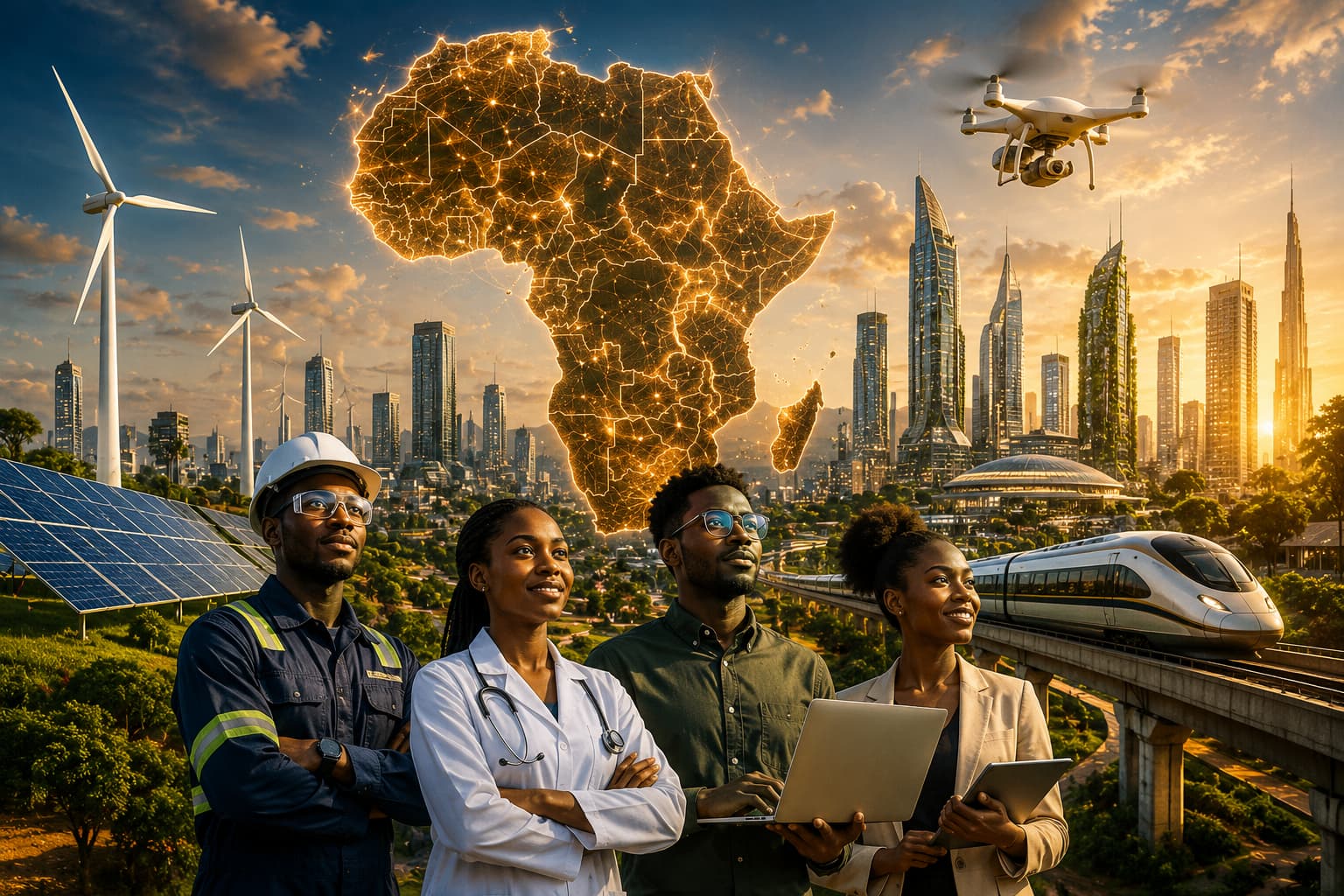
"From the Cradle of Civilizations... to the Home of Global Opportunities."
For decades, Africa has been associated in the minds of many with war, poverty, and humanitarian crises. Today, however, reality tells a very different story. The continent is undergoing an unprecedented transformation, driven by its vast youthful population, accelerating economic growth, expanding digital innovation, and rising investments in infrastructure and clean energy. As a result, Africa is emerging as one of the world's most promising regions, poised to lead global growth in the decades ahead.
Nor is Africa merely a source of raw materials or an emerging market. It has become a promising hub for innovation, entrepreneurship, and advanced industries, supported by abundant natural resources, a market of more than 1.3 billion people, and a strong political commitment to advancing economic integration across the continent.
While many advanced economies are grappling with aging populations and slowing economic growth, Africa has a historic opportunity to transform its demographic strength into a global economic powerhouse, building a future founded on sustainability, innovation, and self-reliance.
Indeed Africa Tomorrow ...is no longer a distant dream, but a vision taking shape today through rapid progress—transforming the continent into a homeland that embraces the aspirations of its people and a key partner in shaping the global economy of the 21st century.
First: The Demographic Dividend — A Young and Dynamic Population
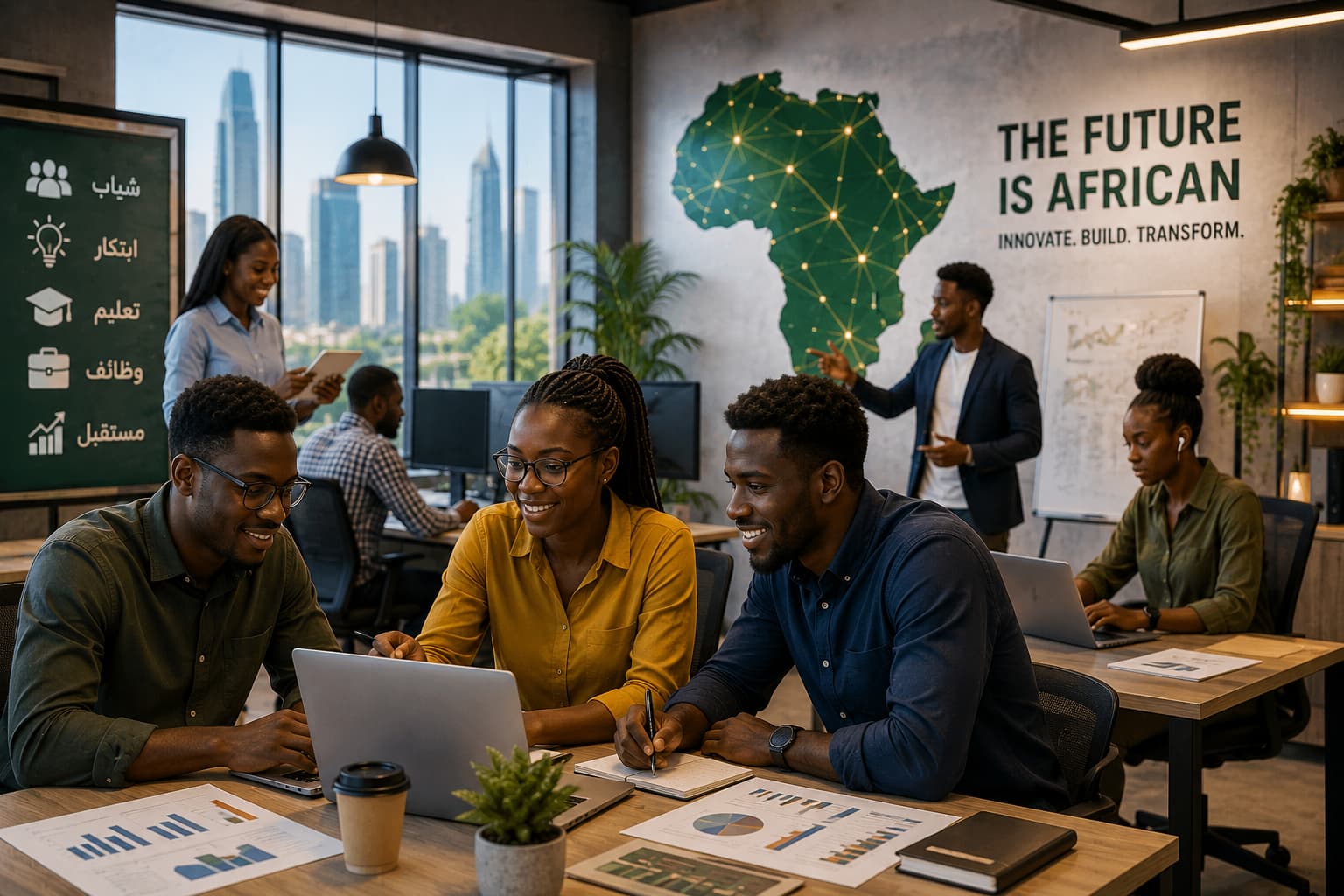
Today, Africa possesses one of the most significant assets that will shape the global economy in the decades ahead: its young population. At a time when many developed nations are facing declining birth rates and aging populations, the continent is home to the world's largest youthful demographic, giving it a unique competitive advantage that few regions can match.
Young people are the driving force behind Africa's technology, entrepreneurship, education, and digital economy. A new generation is leading a rapid wave of innovation across financial services, e-commerce, smart agriculture, and digital solutions. If African nations continue to invest in education, skills development, and job creation, this demographic strength will become the primary engine of economic growth and sustainable development for decades to come.
Second: Economic Independence and Continental Integration
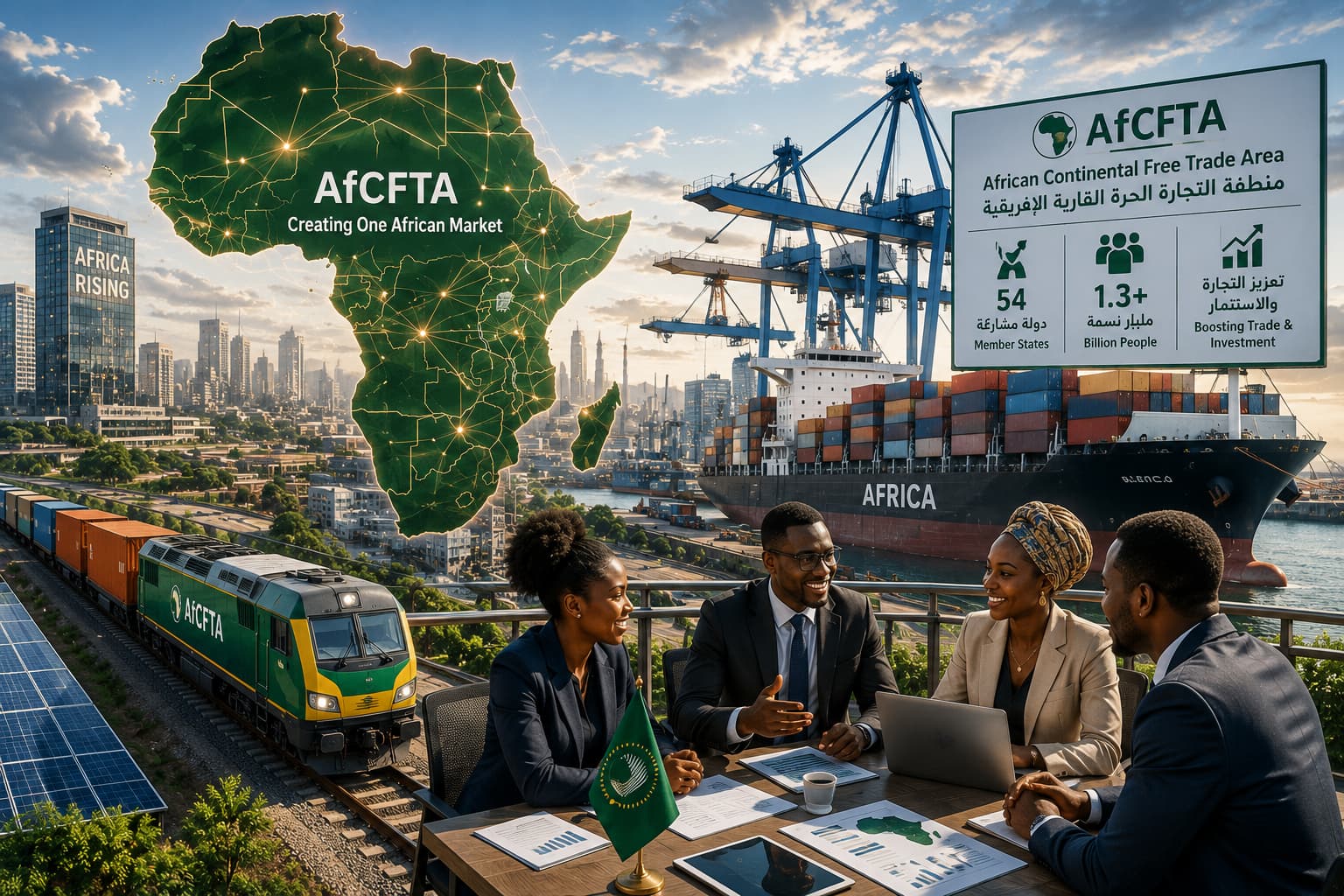
Africa is no longer content with its traditional role as a supplier of raw materials. Instead, it is moving rapidly toward building a more independent and integrated economy. Across the continent, governments are strengthening intra-African trade, expanding domestic industries, and reducing reliance on exporting raw resources, thereby increasing value creation and generating millions of employment opportunities.
The launch of the African Continental Free Trade Area (AfCFTA) one of the most significant economic milestones in the continent's history. As the world's largest free trade area by the number of participating countries, it creates a unified market of more than 1.3 billion peoplethereby boosting trade and investment flows while enhancing Africa's competitiveness in the global economy.
Many African countries are also investing in value-added processing industries for strategic minerals such as lithium, cobalt, and gold, with the goal of strengthening local value chains and achieving long-term economic sovereignty, rather than simply exporting these resources in their raw form.
Third: Technology and Green Innovation
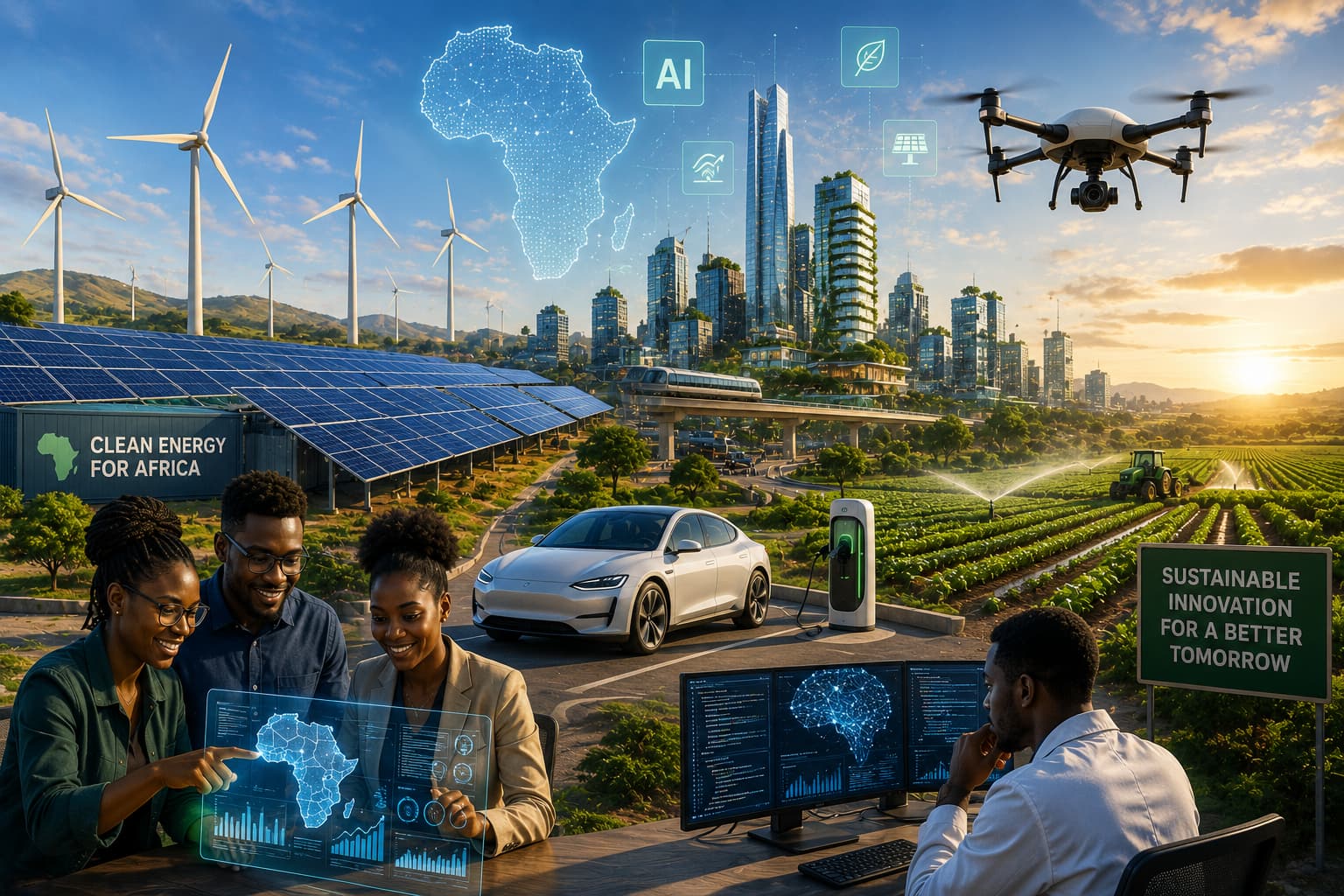
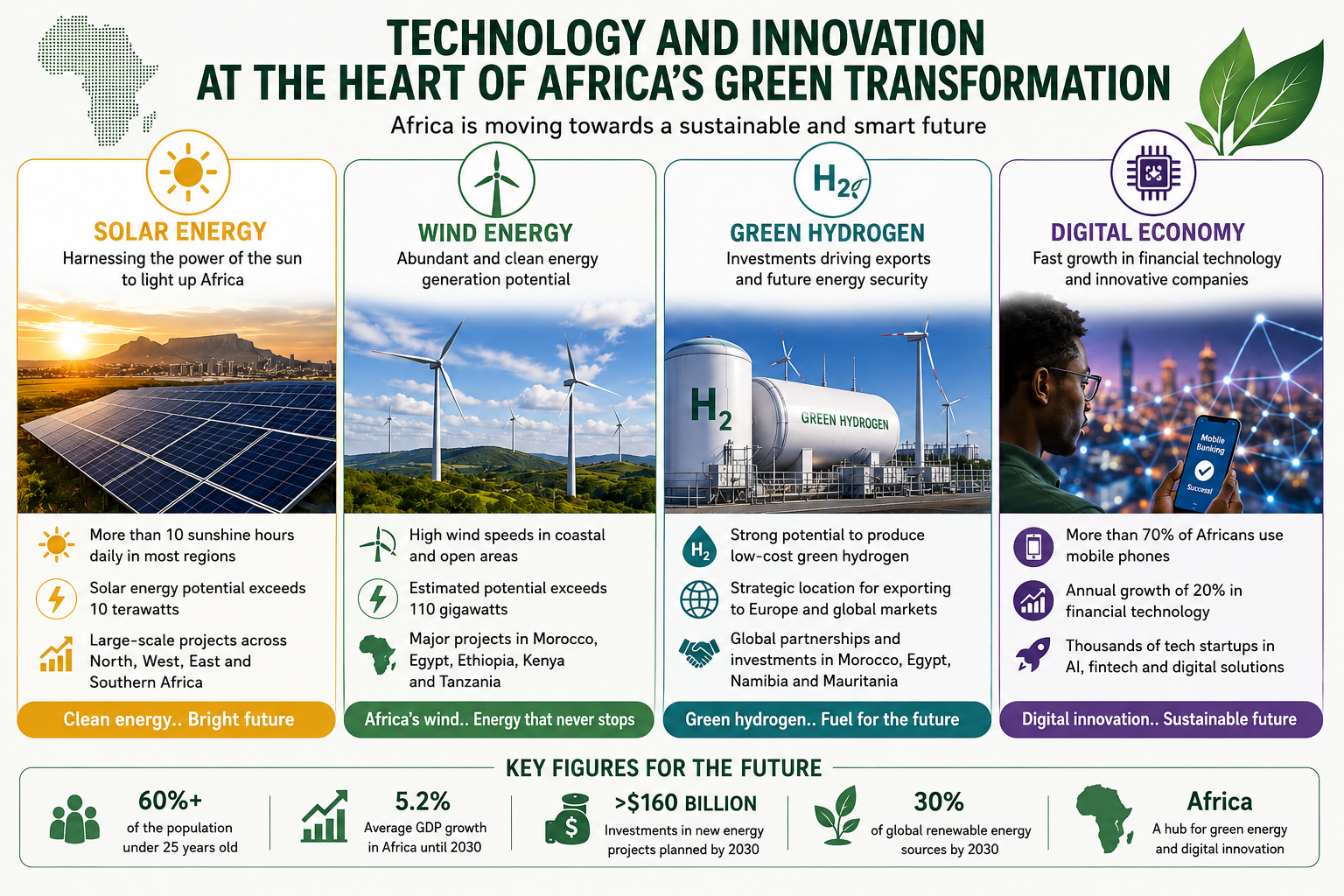
Africa is no longer merely a consumer of technology; it has become one of the fastest-growing regions in the adoption of digital solutions and sustainable innovation. In recent years, the continent has experienced remarkable progress in financial technology (FinTech), smart agriculture, digital education, and e-health services, driven by a new generation of young entrepreneurs with a strong spirit of innovation and enterprise.
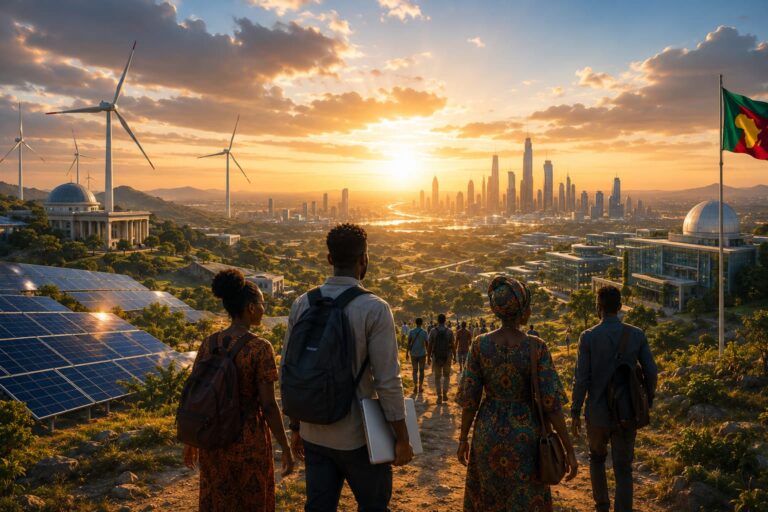
At the same time, Africa is emerging as one of the world's most attractive destinations for renewable energy investment, thanks to its vast land area, exceptional solar resources, and immense potential for green hydrogen and wind power production. As the global transition toward a low-carbon economy accelerates, the continent has a historic opportunity to become a global hub for clean energy, supporting climate action while strengthening its position in the international economy.
Fourth: The Homeland of the Future — Reclaiming Talent and Identity
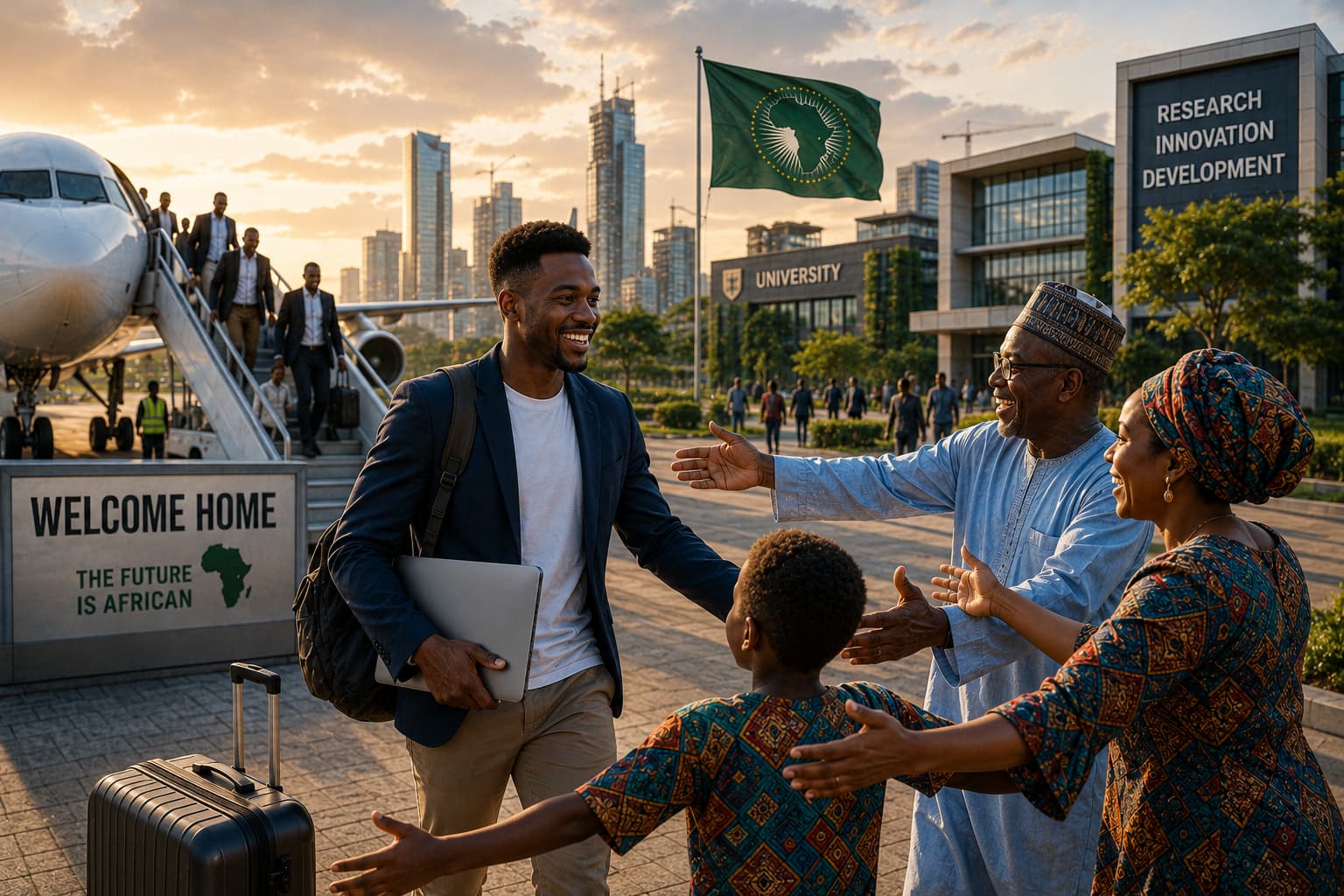
The future of nations is measured not only by the wealth of their natural resources, but also by their ability to reclaim their talent and invest in the potential of their people. Today, many African countries are witnessing a growing return of highly skilled professionals and experts who have gained knowledge and experience at leading universities and institutions around the world, bringing their expertise home to help build stronger and more sustainable economies.
This return has been accompanied by a growing sense of African identity and renewed pride in the continent's rich cultural and historical heritage, giving rise to a new generation that believes Africa's future must be shaped by its own people. Success is no longer viewed solely through the lens of emigration; instead, an increasing number of young Africans see the continent as a land of opportunity, investment, and innovation—one that is fully capable of competing across economic, scientific, and cultural sectors.
"Africa does not inherit the future—it creates it through the determination of its people, the innovation of its youth, and the unity of its continent."
Conclusion
Africa is no longer a continent waiting for the future—it has become an active partner in shaping it. With its demographic strength, abundant natural resources, accelerating pace of innovation, and growing economic integration, the continent possesses all the foundations needed to emerge as one of the world's leading economic and development powers in the decades ahead.
Despite the challenges that remain, current indicators confirm that Africa is steadily advancing toward a new model of development—one built on investing in people, strengthening local industries, accelerating digital transformation, expanding clean energy, and fostering regional cooperation.
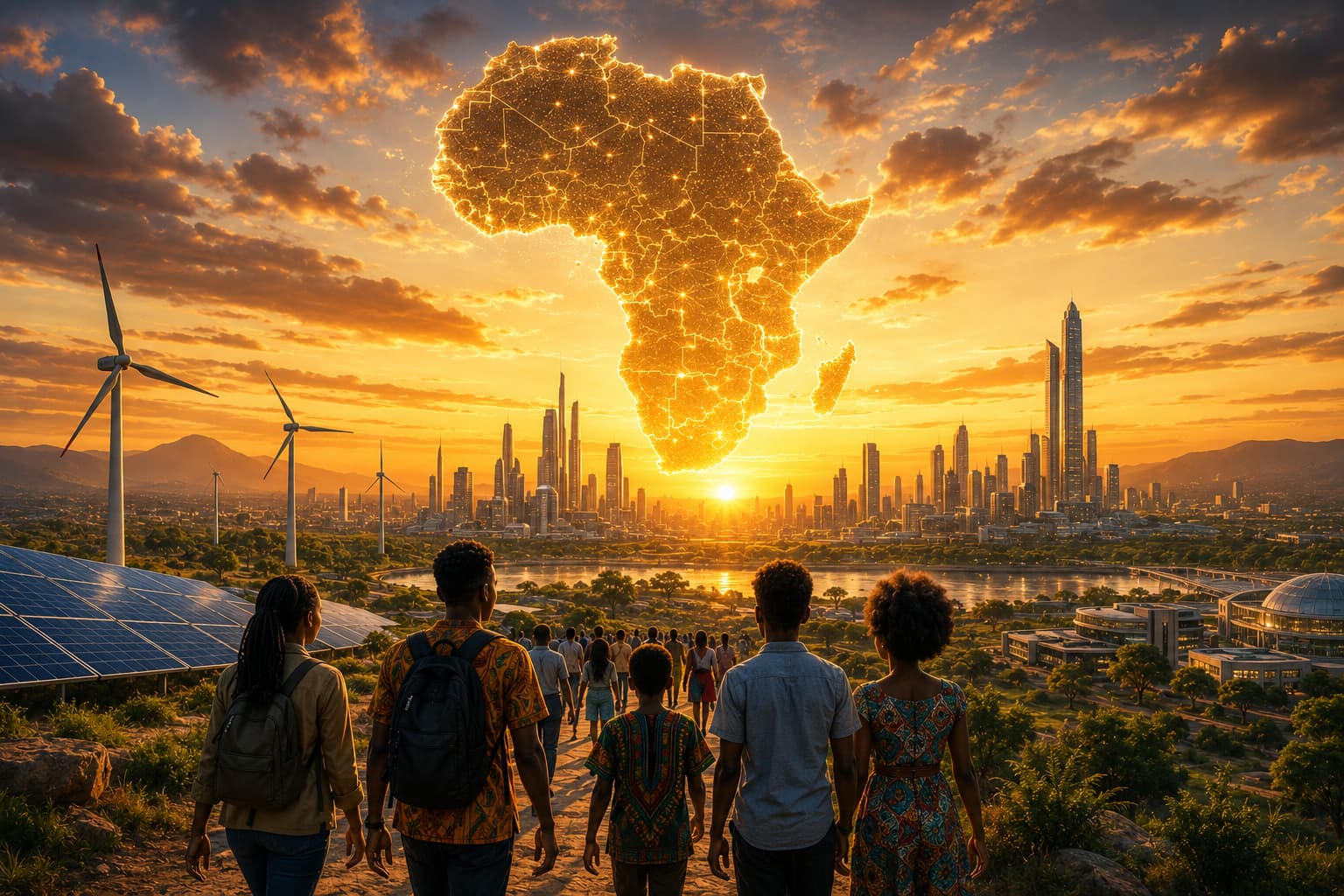
Africa's future will not be defined solely by the resources it possesses, but by its determination, its vision, and its young people who have the ability to turn ambition into achievement. By continuing to invest in the minds





 English
  العربية