

Introduction
For decades, the term “refugee” has been associated with wars and political conflicts that force individuals to leave their homelands in search of safety. Today, however, the world is facing a new form of displacement represented by “climate refugees”—people who are compelled to leave their homes and communities due to the growing impacts of climate change, such as droughts, floods, rising sea levels, and severe storms.
As climate-related extreme weather events become more frequent and severe, climate-induced migration has emerged as one of the most significant humanitarian and environmental challenges facing the world in the 21st century.
Who Are Climate Refugees?
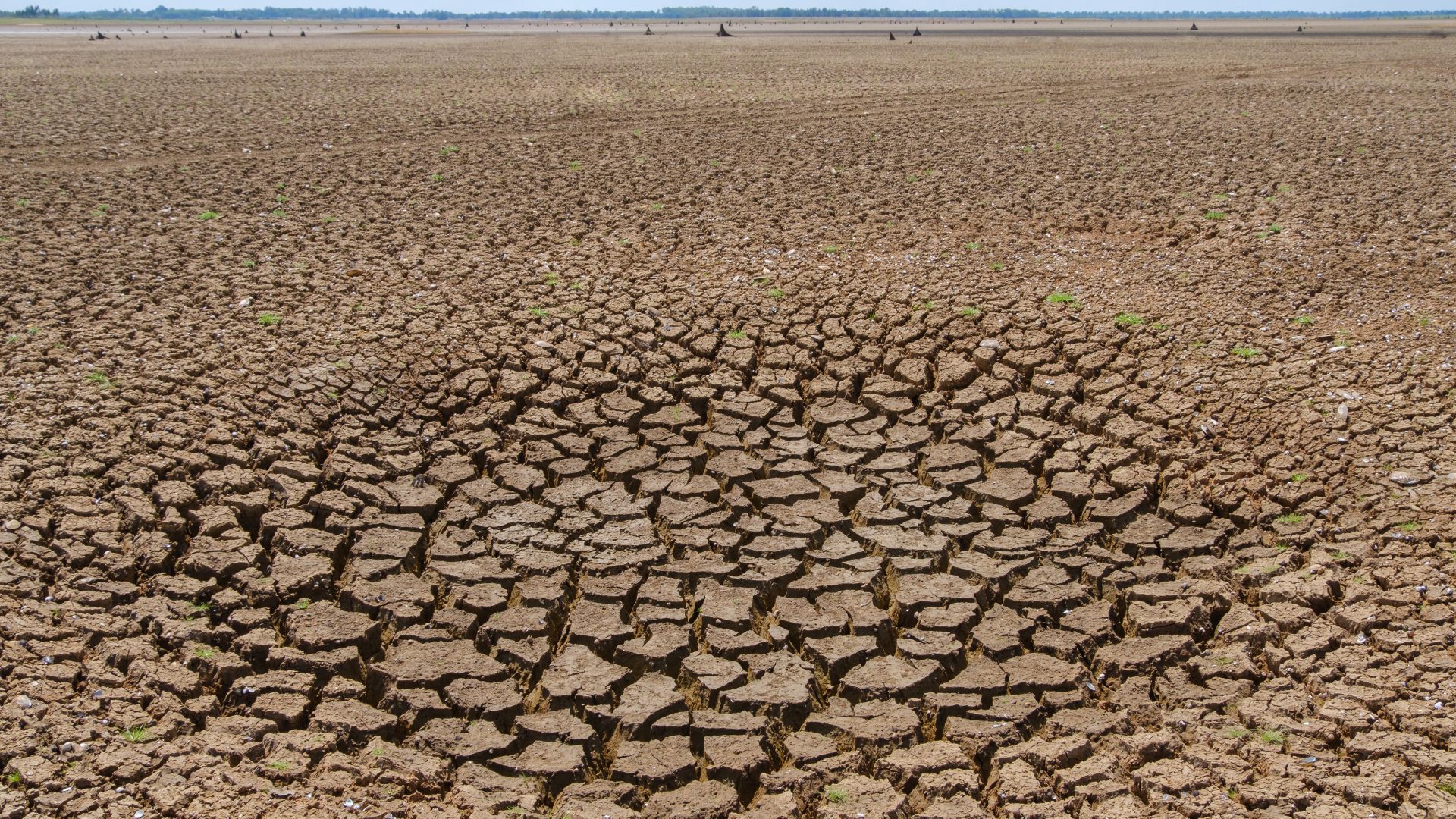
Climate refugees are people who are forced to relocate temporarily or permanently from their communities due to environmental changes caused by climate change that threaten their lives, livelihoods, or food and water security.
Although international law does not officially recognize the term “climate refugee,” the number of people affected by climate-related disasters continues to rise year after year, prompting many international organizations to call for the development of legal frameworks to protect them.
Drought: One of the Most Severe Causes of Climate-Induced Displacement
Drought is considered one of the most severe consequences of climate change, as its impact extends far beyond water scarcity. It affects agriculture, economic stability, public health, and social well-being, making it one of the most critical environmental challenges facing communities worldwide.
Drought occurs when rainfall levels remain significantly below average for extended periods, leading to:
- Reduced surface and groundwater resources.
- Declining agricultural productivity.
- Loss of livestock and animal resources.
- Rising food prices.
- Loss of income and livelihoods.
When living conditions become unsustainable, people are often forced to relocate in search of water, employment opportunities, or better living conditions.
Environmental Impacts of Drought
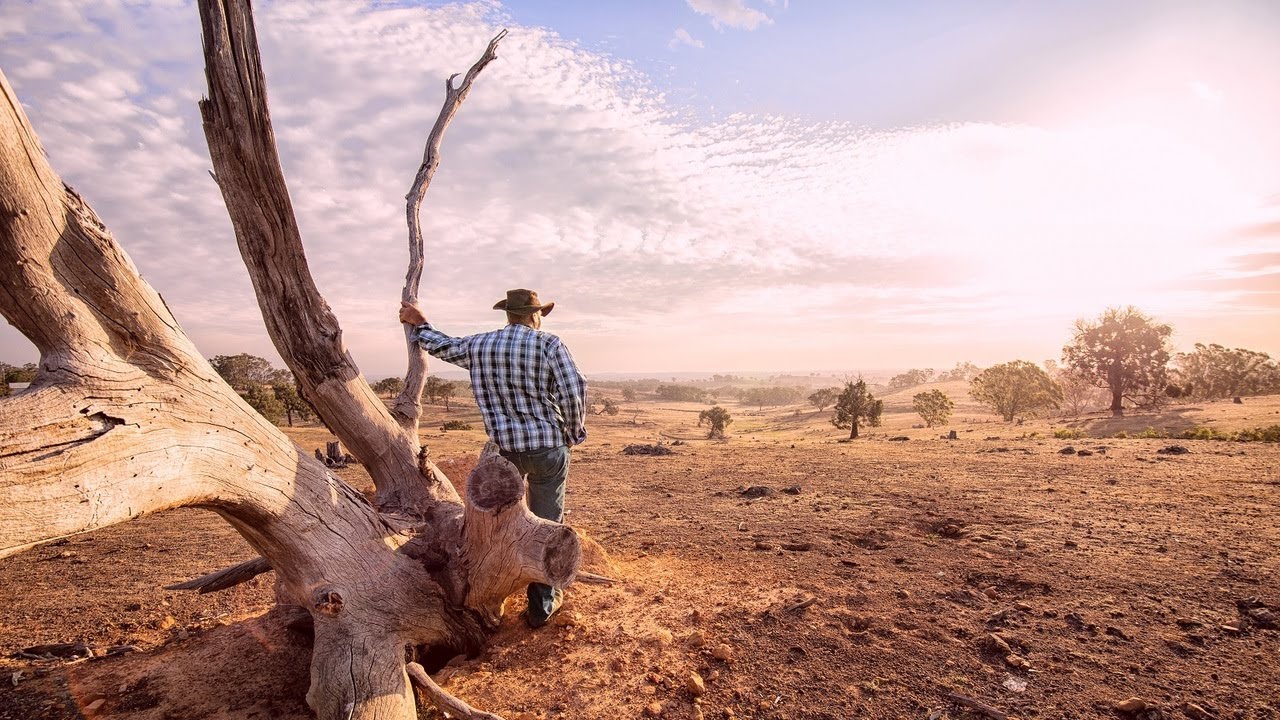
Drought causes a wide range of serious environmental impacts, including:
- Soil degradation and loss of fertility.
- Increased desertification.
- A higher risk of wildfires.
- Loss of biodiversity.
- Depletion of water resources.
These impacts weaken the ability of ecosystems to support both human and animal life, threatening environmental sustainability and the long-term availability of natural resources.
Economic and Social Impacts
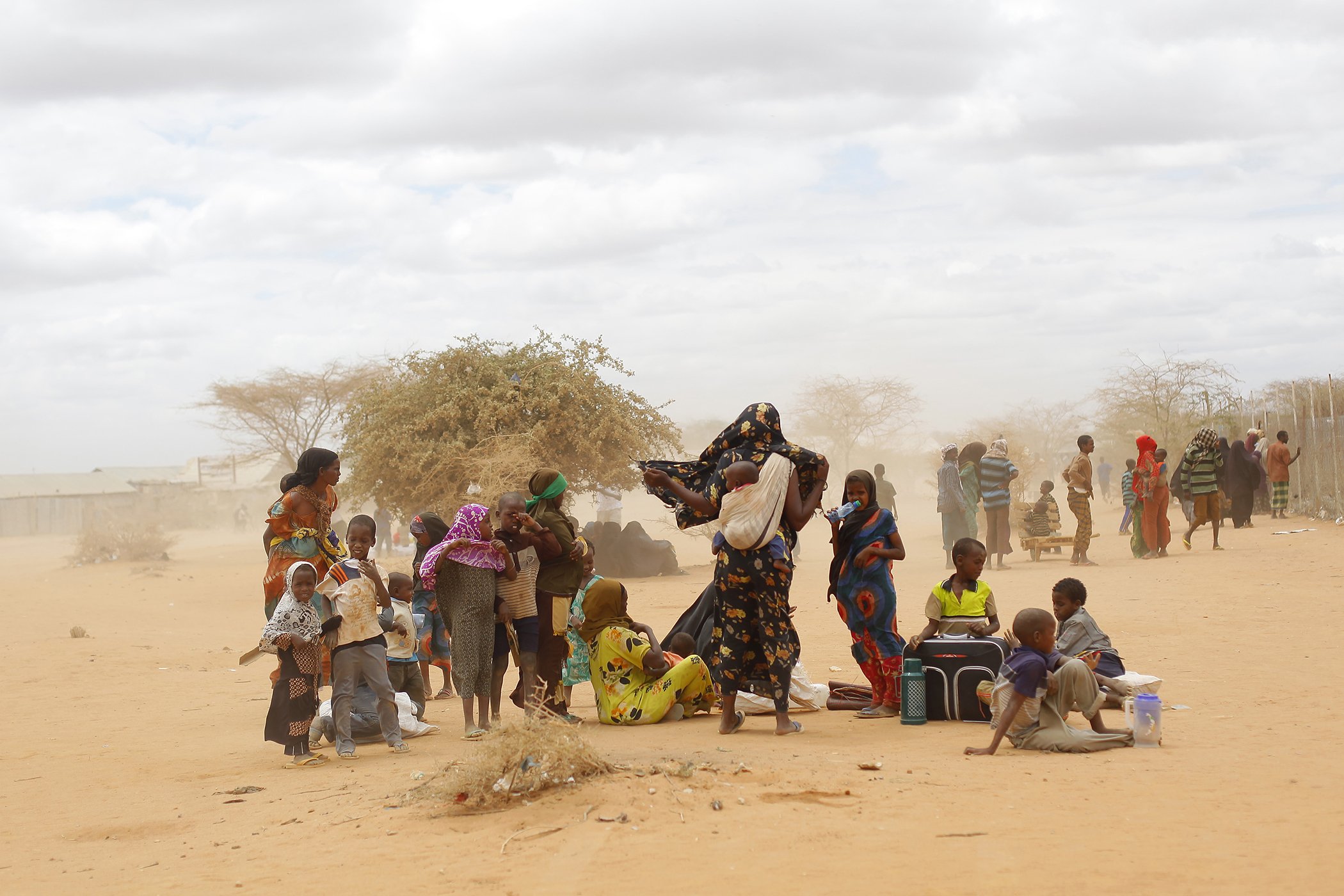
The impacts of drought are not limited to the environment alone; they also extend to the economy and society, affecting livelihoods, food security, and overall quality of life.
| Category | Impact |
|---|---|
| Agriculture | Reduced Agricultural Production |
| Water | Increased Water Scarcity |
| Economy | Financial Losses and Rising Prices |
| Society | Increased Rates of Displacement and Migration |
| Health | Increased Risk of Malnutrition and Disease |
Major Causes of Climate-Induced Displacement
| Climate Phenomenon | Direct Impact |
|---|---|
| Drought | Loss of Water Resources and Crop Failures |
| Floods | Destruction of Homes and Infrastructure |
| Storms and Hurricanes | Population Displacement |
| Desertification | Loss of Agricultural Land |
| Sea Level Rise | Flooding of Coastal Areas |
Proposed Solutions to Reduce Climate-Induced Displacement
The impacts of climate change can be mitigated and displacement rates reduced through:
- Enhancing water resource management.
- Developing modern irrigation systems.
- Expanding the use of renewable energy.
- Supporting rural communities that are most vulnerable to drought.
- Improving early warning systems for disasters.
- Strengthening international cooperation to address climate change.
Conclusion
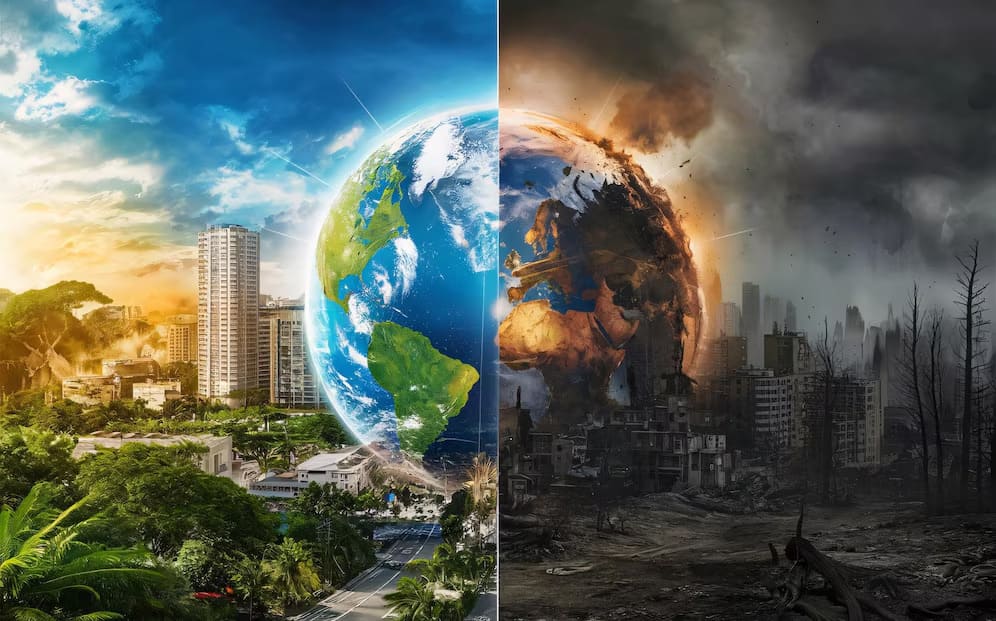
Climate-induced migration has become an undeniable reality in today’s world, and the causes of displacement are no longer limited to wars and conflicts. Drought, in particular, stands out as one of the most severe climate-related challenges, threatening food and water security, economic stability, and social well-being for millions of people. Addressing climate change is therefore not merely an option—it is a necessity to ensure a more sustainable, resilient, and secure future for generations to come.
References
- United Nations (UN)
- United Nations High Commissioner for Refugees (UNHCR)
- United Nations Environment Program (UNEP)
- Intergovernmental Panel on Climate Change (IPCC)
- World Bank

 English
  العربية