

Cairo is one of the most crowded cities in the world, and in recent decades it has become vulnerable to extreme weather phenomena, most notably severe heat waves, which have become more frequent and longer as a result of climate change.
High temperatures have direct health consequences for the population, especially the elderly and children, and also increase electricity consumption due to the growing reliance on air conditioning. In impoverished and informal settlements, where good ventilation is scarce, indoor temperatures become higher than outdoor temperatures.
The city's heat is also exacerbated by the so-called "urban heat island effect," where buildings and concrete roads trap heat and prevent natural ventilation, unlike rural areas with their dense vegetation. The lack of green spaces in Cairo further compounds the problem.
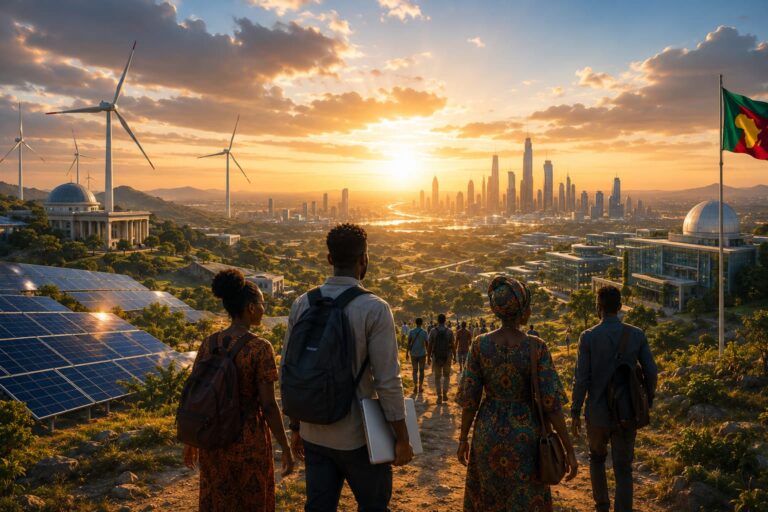
Cairo needs a comprehensive plan to reduce these impacts, including increasing green spaces, using heat-reflective building materials, developing public transport to reduce car emissions, and promoting clean energy.

 English
  العربية